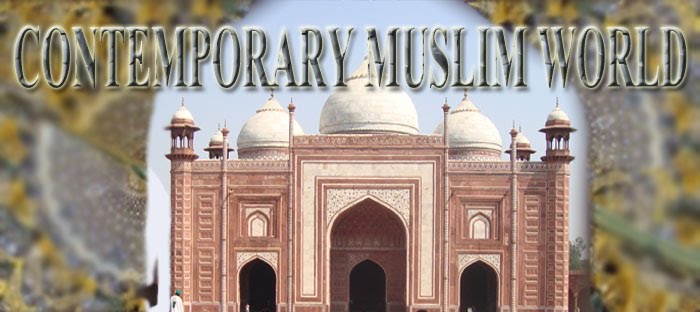
Islam first reached India through its southern shores. However, by all accounts it was confined to a small population and territory. It was mainly the conquest of Sind by Muhammad ibn Qasim that introduced Islam in northern India in a big way. But the tragic end of this great Arab general applied a halting brake to the spread of Islam in India. The next warrior was Mahmud Ghaznavi but it is disputable if his exploits helped or damaged the cause of Islam in South Asia.
Meanwhile, some Ulama/Sufis tried to spread Islam through peaceful preaching and surely their efforts bore fruits in that they won a good number of converts to Islam. The overemphasis on the role of Sufis in peacefully spreading Islam in northern India, however, is both a political as well as intellectual convenience. The fact that the conquests and the resultant good administration of Muhammad ibn Qasim smoothed and paved the way for the Sufis to impress upon the people about the truth of Islam can not be ignored. Equally, rather completely erroneous is the opinion that sword played a role in spreading Islam in India or South Asia.
Shihabuddin Ghauri’s conquest of northern India particularly Delhi is very important historical event. It happened in late 12th century. His demise in the beginning of 13th century created a void which his incapable sons were unable to fill. The resultant anarchy compelled Qutbuddin Aibak to declare the independence of Delhi in 1206. The high importance of the event can hardly be over emphasized.
The fact that the new king was a slave must have spread like the proverbial bush fire. It also must have appealed to those sections of the society which were thrown on the margin by the oppressive caste system of Hinduism. It were these marginalized Indians who gradually began to embrace Islam. The Ulama/Sufis, who came to India in large numbers after the Mongol invasion and destruction of Iran and Iraq, also capitalized on the congenial conditions and made a great contribution to the spread of Islam in India.
It is mainly in the last one thousand years that Islam spread in South Asia, and from here it reached South East Asia becoming in the process the religion of the majority in Indonesia and Malaysia. Islam’s presence in other South East Asian countries is also substantial. If we combine the Muslim population of Pakistan, India and Bangladesh with those of Malaysia, Indonesia and of other countries of South and South East Asia, it would form over 40 per cent of world’s total Muslim population. This is a great, even miraculous, achievement of Islam which the mainline history of Islam normally ignores. Historians focus more on the early Islamic gains in Syria, Iraq, Iran and North Africa and do not pay the desired attention to what Islam has achieved in South and South East Asia.
Having noted the fact of great Islamic gains in South Asia, it is time that we also realized the grim and pathetic Muslim conditions in the region. The largest numbers of world’s poor and illiterate live in South Asia. Millions of people are living below the poverty line and equally large is the number of those who happen to be illiterate. It would be also right to assume that the Muslim share in South Asia’s poverty and illiteracy is higher than those of others. This makes a sad commentary on the affairs of Ummah in South Asia. And this has happened, and continues to exist despite the fact that our sacred scripture has put a great deal of emphasis on acquisition of knowledge and offering the poor due. Salat and Zakat are key terms in the Holy Quran and they respectively symbolize or represent the rights of God and those of fellow human beings that Muslims are duty-bound to fulfill. How then, it has happened that the greatest numbers of poor are found among the Muslims in South Asia and how is it that they also constitute the bulk of the illiterate population in the region?
The Prophet Muhammad’s commitment to social services is evident from what Khadijah, his wife told him after his return from the Cave of Hira where he first received the revelation. Several verses of the Quran also speak about helping the poor and the needy. And we also know that the first verses revealed in the Cave of Hira, are about the importance of knowledge and the technology of writing. Here, the Muslims of South Asia must learn a lesson. That their foremost important task should be to eliminate the scourge of poverty and illiteracy from South Asia. This would be perhaps their greatest contribution to making Islam relevant in the region.
[April 2008]

